If you’re planning a trip to Japan, there’s a good chance that Japanese food is already high on your bucket list. And honestly? It should be. Japan has some of the most incredible food culture in the world — and once you’ve experienced it firsthand, it’s hard to go back.
I’m Japanese, and my Australian partner’s family visit Japan regularly. Every single time, their food schedule is pretty much the first thing they plan. So I’ve seen firsthand what blows Australians away when they eat Japanese food in Japan. In this post, I’m sharing the dishes they rave about the most — plus a few funny stories from our family meals.
Whether you’re visiting Japan for the first time or you’re a seasoned traveler looking for new things to try, this guide is for you.
1. Sushi — the must-eat Japanese food experience
Conveyor belt sushi (kaiten-zushi) is pure fun
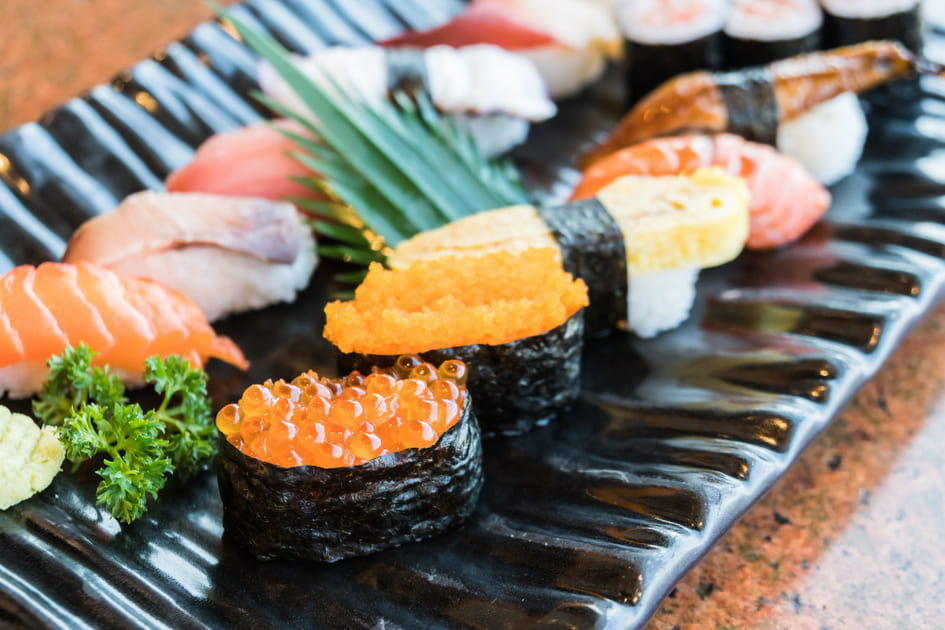
Sushi is probably the most iconic Japanese food, and it’s one that Australians take very seriously. My sister-in-law once powered through almost 30 plates at a kaiten-zushi (conveyor belt sushi) restaurant. Fresh, affordable, and weirdly entertaining — she couldn’t stop smiling the whole time.
The combination of quality, price, and the fun of watching plates come around on a belt makes kaiten-zushi a highlight for most first-timers. It’s also a great low-pressure way to try lots of different toppings without committing to a set menu.
Sashimi vs. sushi — why both matter
Many visitors also discover sashimi on their trip. Because there’s no rice, the flavor of the fish really comes through. Fatty tuna (otoro), salmon, engawa (flounder fin), and sweet shrimp (amaebi) are usually the crowd favorites. The freshness is simply on another level compared to what you can find back home.
2. Shabu-shabu — the Japanese food you cook yourself
Paper-thin meat is a total game-changer
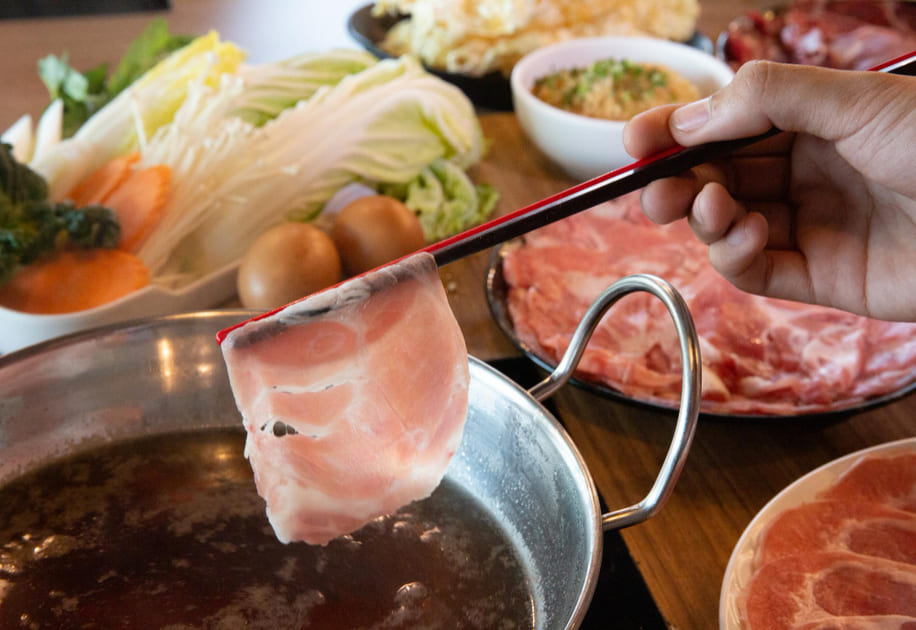
In Australia, meat tends to be thick and hearty. So when Australians see shabu-shabu — ultra-thin slices of pork or beef that you swish through hot broth for just a few seconds — it’s a real eye-opener. The technique feels almost meditative, and the result is incredibly tender.
All-you-can-eat shabu-shabu is a winner
Many shabu-shabu restaurants offer tabehoudai (all-you-can-eat) options. When I told my partner that swishing the meat through hot broth actually makes it leaner and healthier, that was all the excuse he needed. The refills kept coming. It was glorious.
3. Ramen — real Japanese food that’s worth the queue
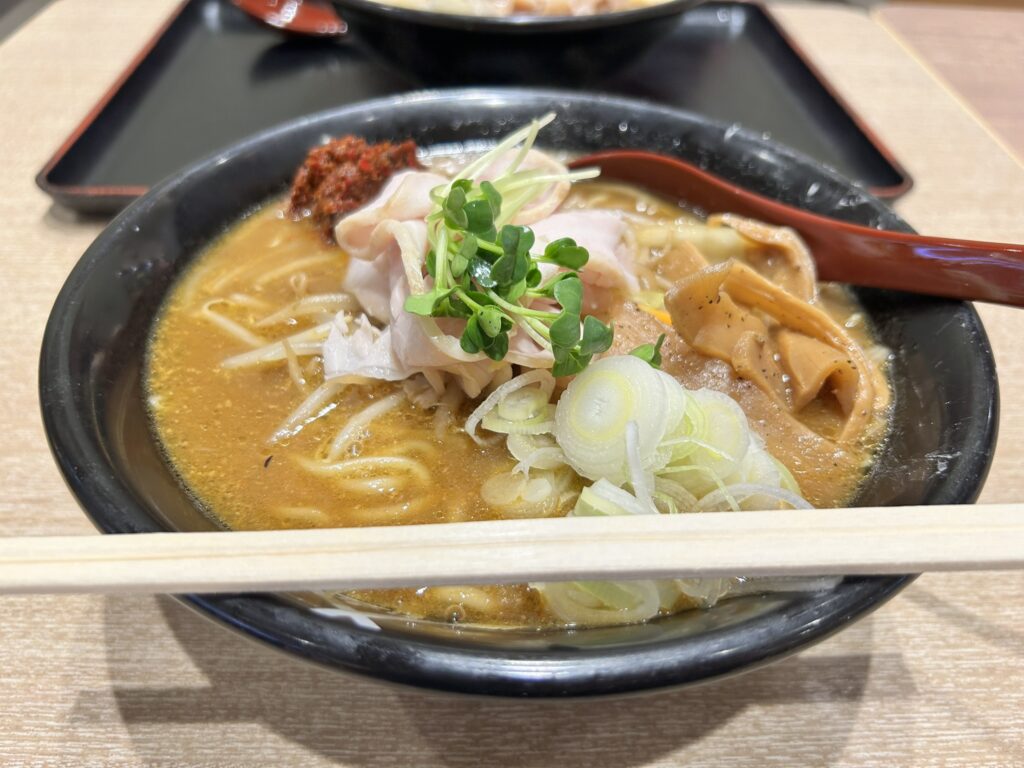
Tonkotsu and miso ramen are the clear favorites
Ramen has become popular in Australia in recent years. But eating it in Japan is a completely different experience. The rich, slow-cooked broth hits differently. Among the Australians I know, tonkotsu soy (tonkotsu shoyu) ramen is the top pick, with miso ramen coming in a close second.
Some people make it a ritual
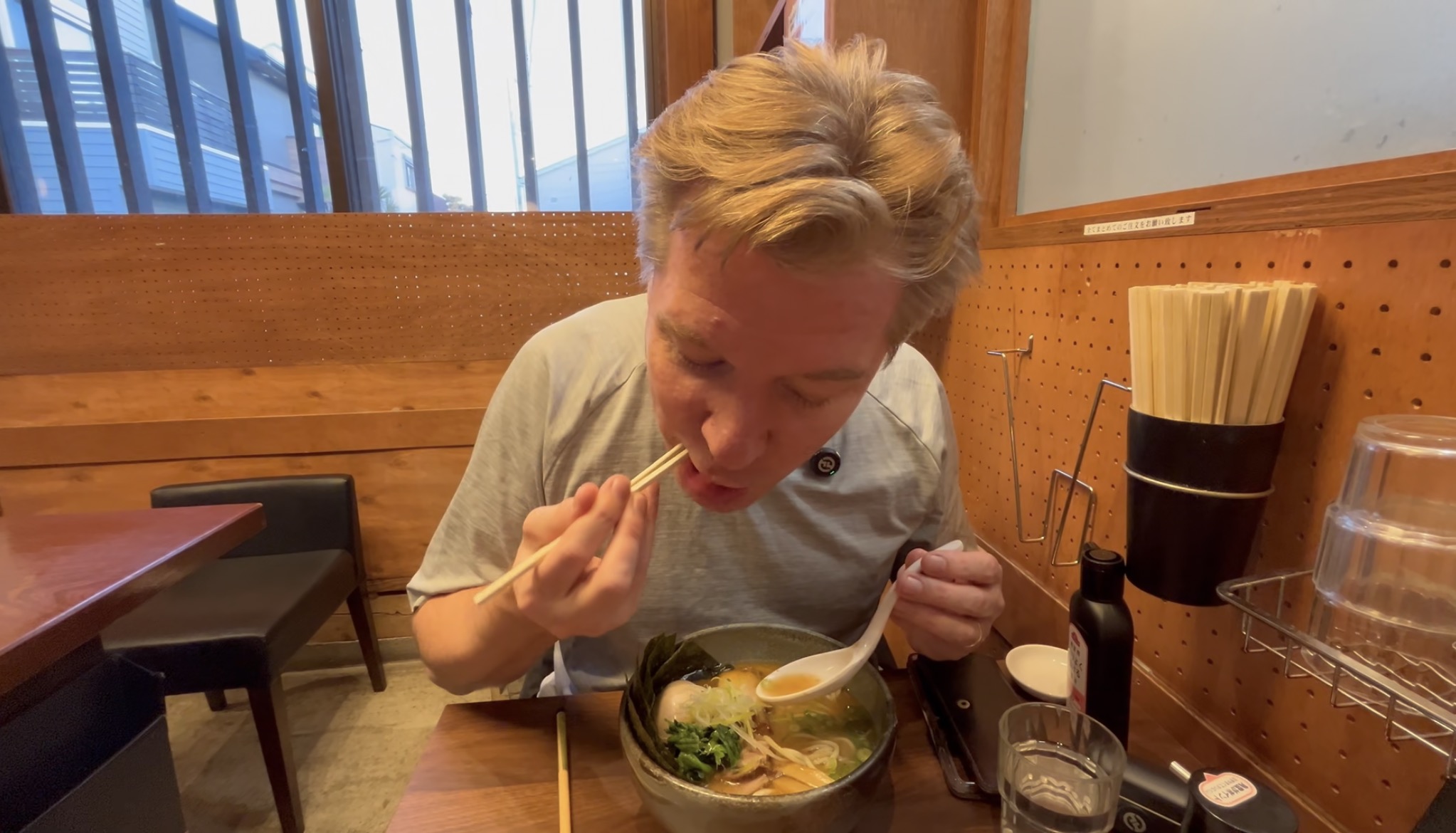
A few of my Australian friends have made eating ramen at the airport their arrival ritual. Before they even head to their hotel, they find the nearest ramen shop. The depth of flavor — built from hours of simmering bones and aromatics — is something that’s genuinely hard to replicate outside of Japan.
4. Soba — simple, healthy, and surprisingly addictive
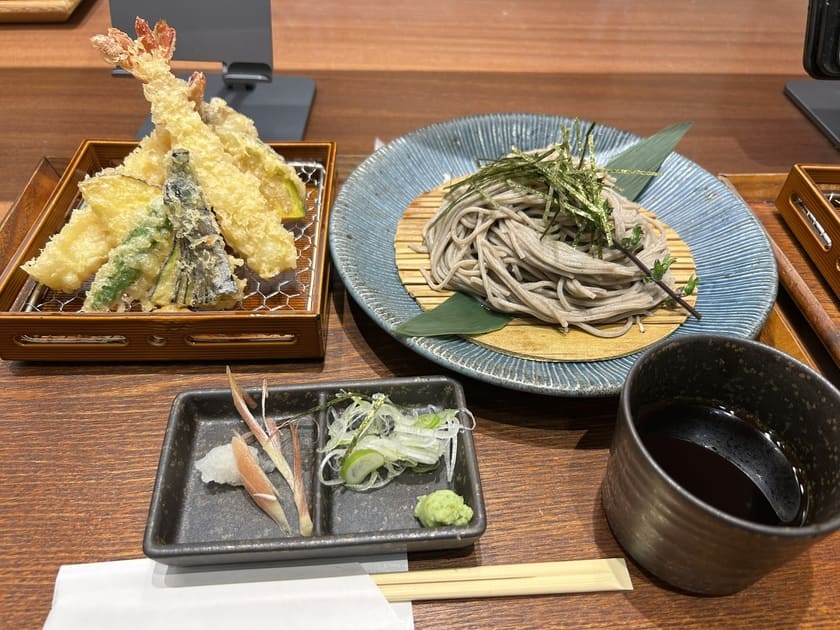
Cold or hot, it hits the spot
Soba noodles might seem plain at first, but they have a quiet charm. In summer, cold zaru soba with dipping broth is refreshing and light. In winter, warm kake soba warms you from the inside. The silky texture and earthy buckwheat flavor tend to grow on people quickly.
Learning to slurp is part of the fun
My sister-in-law practices slurping every time she visits. She hasn’t quite mastered it yet, but she keeps trying — and that in itself is entertaining. She also prefers soba over udon because she feels it’s healthier (buckwheat has less gluten). Very Australian of her.
Soba-yu: the bonus drink at the end
One of my favorite moments was teaching her about soba-yu — the hot water left over from cooking the noodles, which you pour into your leftover dipping sauce and drink like a warm soup. Her face lit up. “This is a whole culture!” she said. It is.
5. Una-don (eel rice bowl) — a Japanese food splurge worth every yen
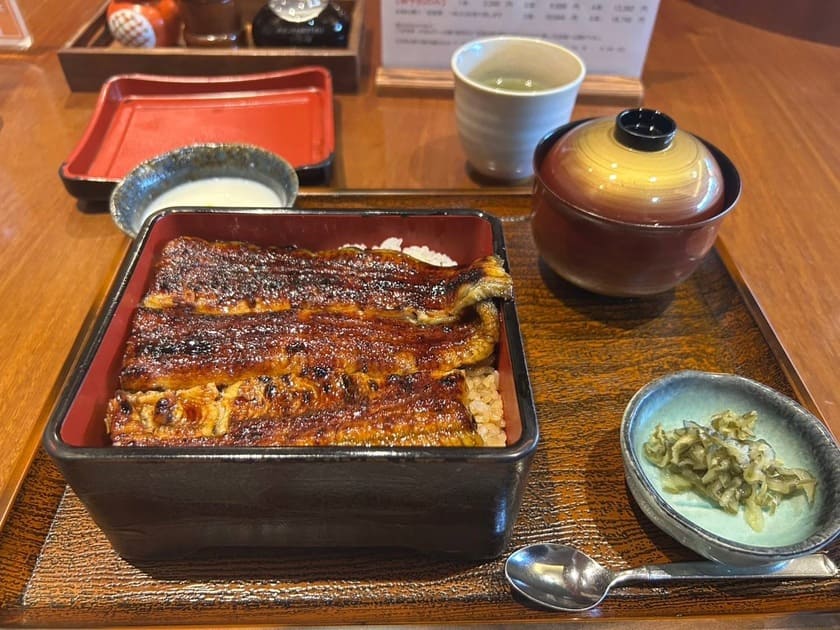
The taste wins every skeptic over
Grilled eel glazed with sweet soy sauce, served over rice — una-don is one of Japan’s true luxury dishes. Some people are put off by the look of it at first. But one bite of that fluffy, caramelized eel usually changes everything. The smoky, charcoal-grilled aroma is something you simply can’t get outside Japan.
One funny memory: a family member liked the sauce and rice so much that he just ate around the eel. No waste, just creative eating.
6. Karaage — Japanese fried chicken that hits different
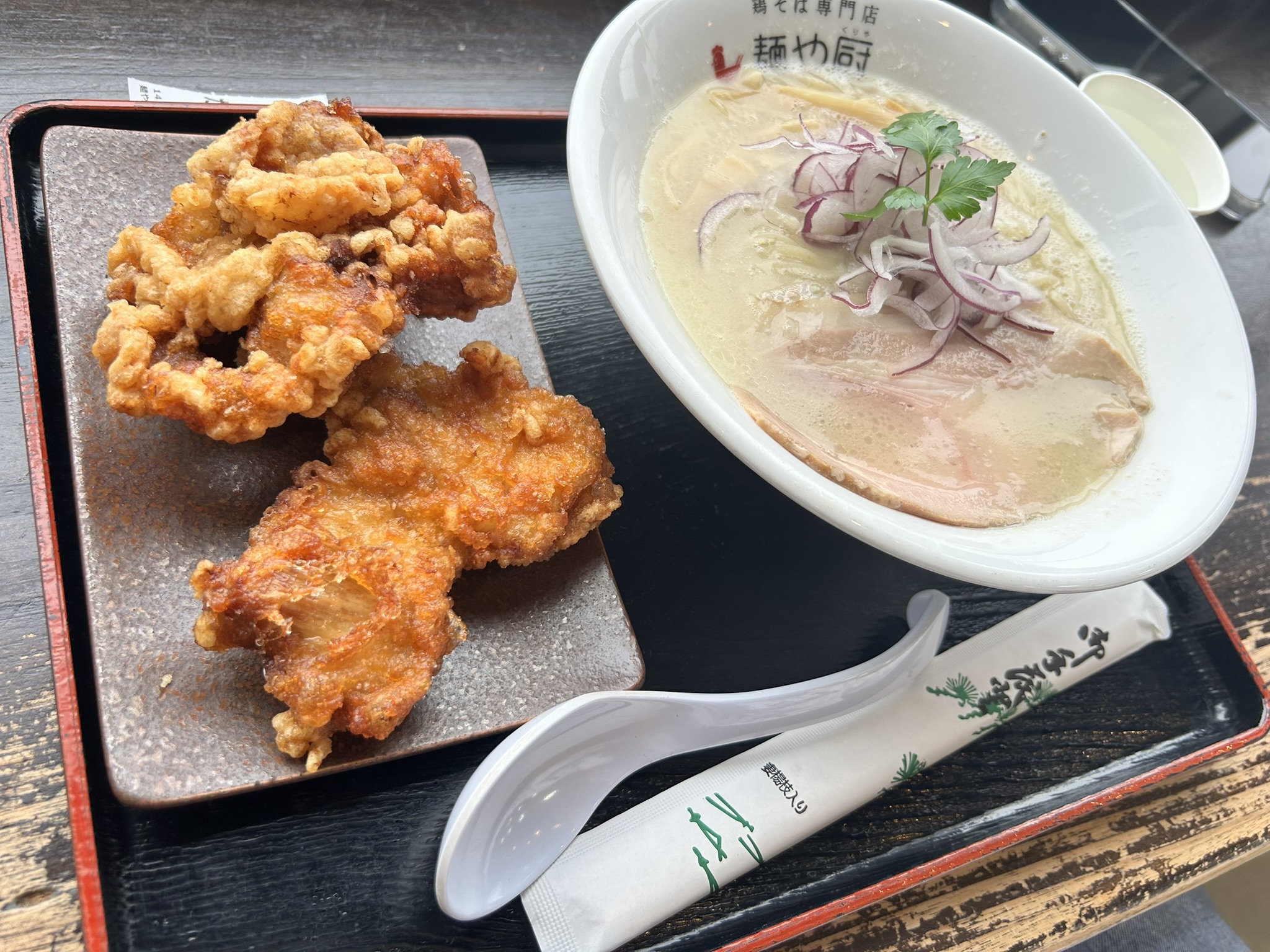
Light batter, bold flavor
Japanese karaage is marinated in soy sauce, garlic, and ginger before frying. The result is a much lighter, more fragrant version of fried chicken than what you’d find in Australia. It pairs perfectly with a cold beer, which is probably why it’s such a hit.
Eat it fresh from a convenience store
One of the best ways to enjoy karaage in Japan is to grab it from a convenience store or deli counter and eat it on the spot. Hot, juicy, and absolutely delicious — it’s one of those simple pleasures that makes Japan such an incredible food destination.
7. Tonkatsu — crispy, juicy perfection
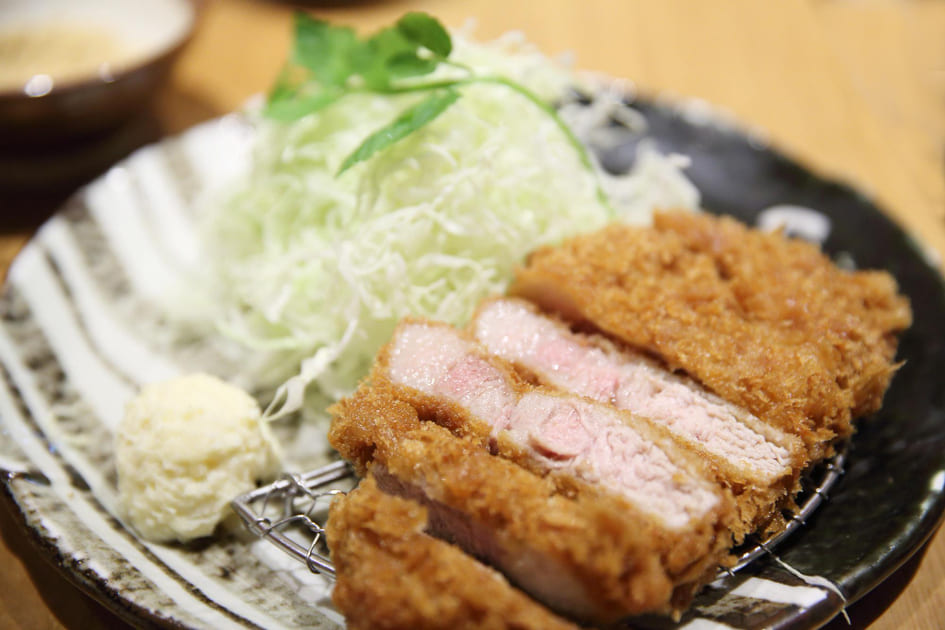
Japan’s take on a Western classic
Tonkatsu is a breaded, deep-fried pork cutlet — a Japanese spin on Western-style cooking. What makes it special is the combination of a shatteringly crispy crust and a thick, juicy piece of pork that’s tender enough to cut with chopsticks.
Katsu-don has international fans lining up
The rice bowl version — katsu-don, with egg and sweet sauce poured over the top — has become hugely popular with international tourists. You’ll often see long queues outside katsu-don spots at airports. The flavors are universally comforting, which is probably why it resonates so widely.
8. Wagyu steak — the Japanese food surprise
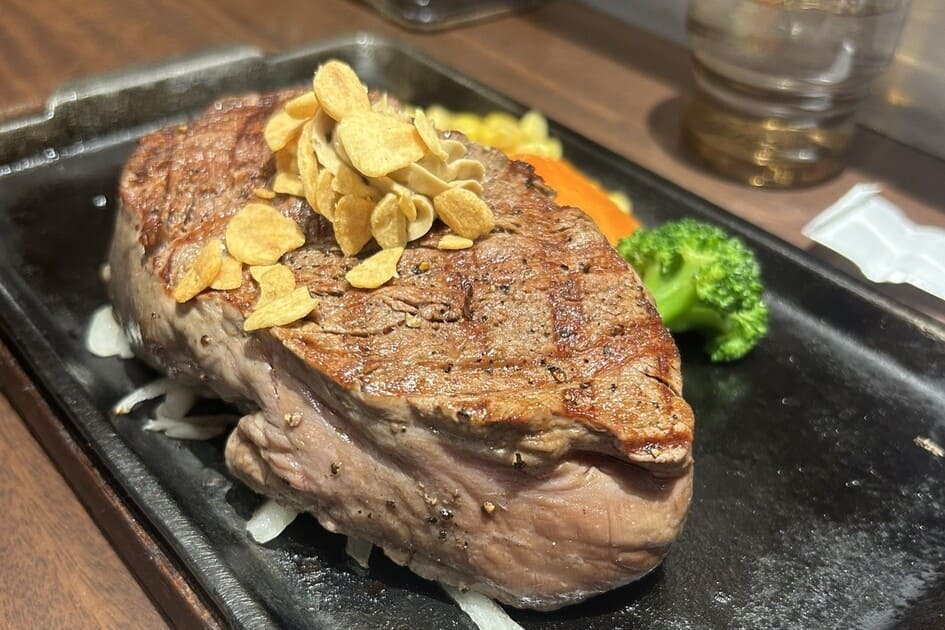
Better than Australian beef? Apparently yes.
This one surprises people. Australia is famous for its beef, so you might not expect wagyu steak to be a highlight of a Japan trip. But after one bite, my partner declared it better than anything he’d ever had back home. The sweetness of the fat and the melt-in-your-mouth tenderness are genuinely in a different league.
Affordable quality that shocks visitors
“I can’t believe I can get wagyu this good at this price,” is something I’ve heard more than once. Even mid-range restaurants in Japan serve steak that impresses Australian meat lovers.
Bonus: Fugu (puffer fish sashimi) — the most dramatic Japanese food story
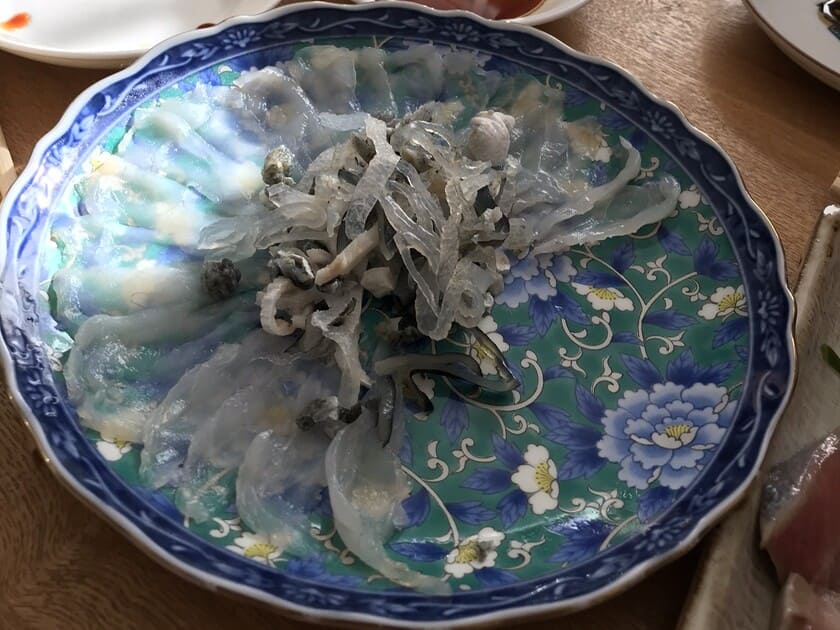
Here’s one of my favorite family memories. One New Year’s, my partner tried tessa — ultra-thinly sliced fugu sashimi — for the first time. The slices were so thin you could see the plate pattern through them. He picked up a massive clump with his chopsticks and ate it all in one go.
My brother immediately said, “That was about 5,000 yen in one bite!!” My partner froze for a second. Then the whole family burst out laughing. Now, eating fugu at New Year’s is a family tradition — and so is everyone watching to see how boldly he eats it.
Final thoughts: Japanese food is an experience in itself
From conveyor belt sushi to wagyu steak, Japanese food offers something for everyone. The freshness, the variety, and the care that goes into every dish make eating in Japan a truly memorable experience. The cultural moments — slurping soba, learning about soba-yu, eating fugu as a family — are just as important as the food itself.
If you’re heading to Japan, don’t just eat — explore. Try things that are unfamiliar. Ask questions. And maybe start planning your food schedule now.
You won’t regret it.